
Welcome to the Animal
Clinic of Kalispell
At Animal Clinic of Kalispell, we understand that your furry companions are more than just pets, they are family. That’s why we treat each and every animal with the utmost care and attention.
Proudly Welcoming New Clients!
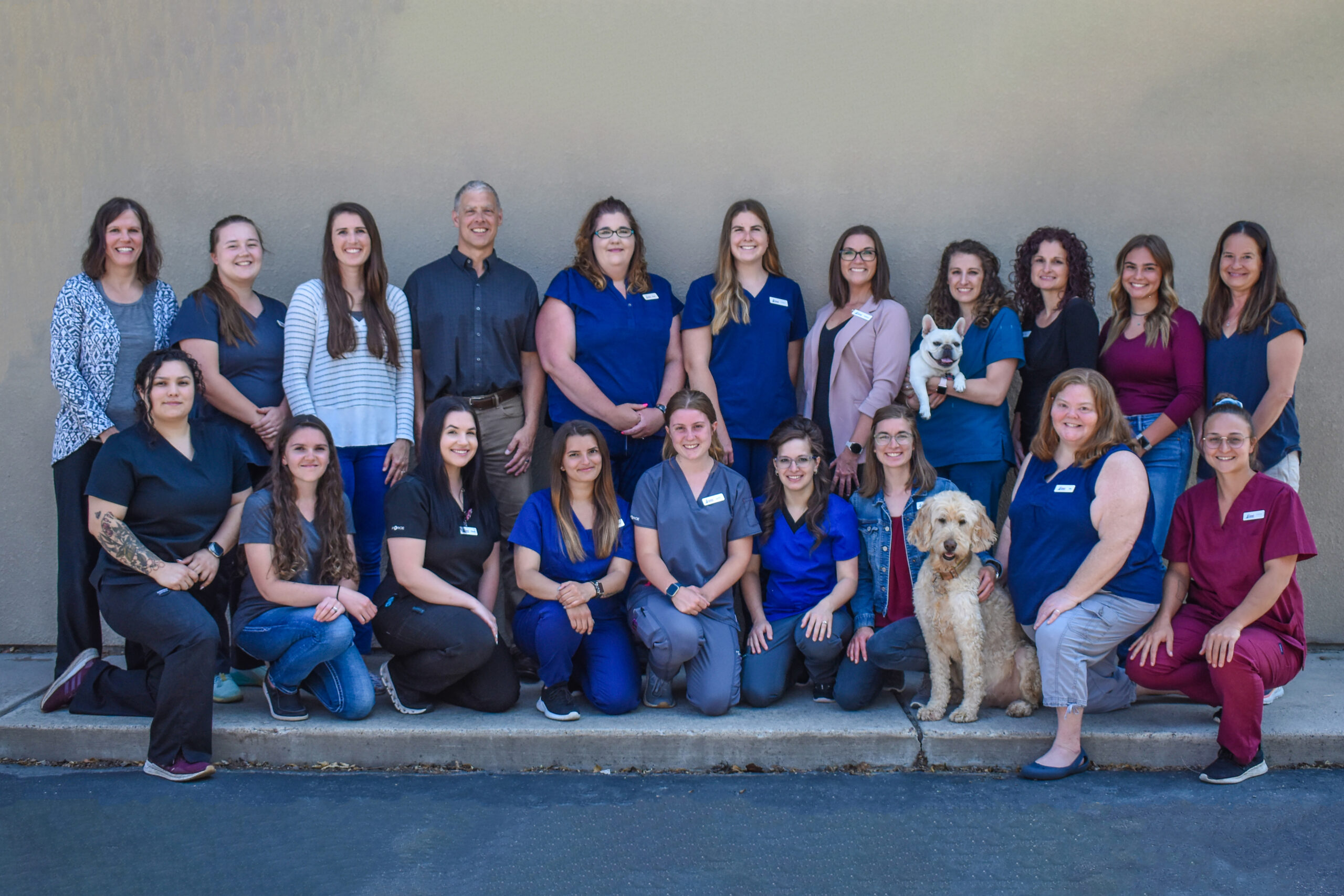

About the Animal Clinic of Kalispell
At the Animal Clinic of Kalispell, we are dedicated to providing the best veterinary care for our clients in Kalispell, MT. Our team of experienced and compassionate veterinarians understand the importance of your furry family members and their health. We offer a wide range of services to ensure that all aspects of your pet’s care are covered. From routine check-ups to surgical procedures and emergency care, we are here for your pet every step of the way.
Complete Veterinary Care in Kalispell, MT
Our state-of-the-art facilities and equipment allow us to provide the highest quality of care to our patients. We also use the latest techniques and technology to ensure that your pet receives the most advanced treatments available.




Thank you for making us one of the highest-rated veterinary hospitals in Kalispell, MT.
We have been taking our furbabies to the Animal Clinic for almost 11 years now. Dr. Clark was the only vet back then. There are 3 or 4 more vets that work there now, and ALL of them are extremely knowledgeable. Thank goodness they are all there, since Dr. Clark’s business grew. We always request him, he’s very kind and compassionate we put our full trust into this man. He knows our furbabies mean everything to us. Along with his staff they make a great team. I would recommend them highly.
This clinic is awesome; the entire staff really cares about our pet. We’ve been with this vet for years and have never been disappointed in the way they care for our kitty. He recently had oral surgery and is so much better now that he can eat his food properly. They know how to make me feel comfortable, as well as my kitty. It was a big deal having some of our cat’s teeth pulled, but it was necessary for his health. He is now enjoying full health and happiness, thanks to Dr. Ball and her kind, caring, and capable care. I’d give her 10 stars if possible!
Meet Our Veterinary Team
At the Animal Clinic of Kalispell, we strive to build strong relationships with our clients. We believe that communication and trust are key components in providing the best care for your pet. That’s why our team takes the time to listen to your concerns and answer any questions you may have.
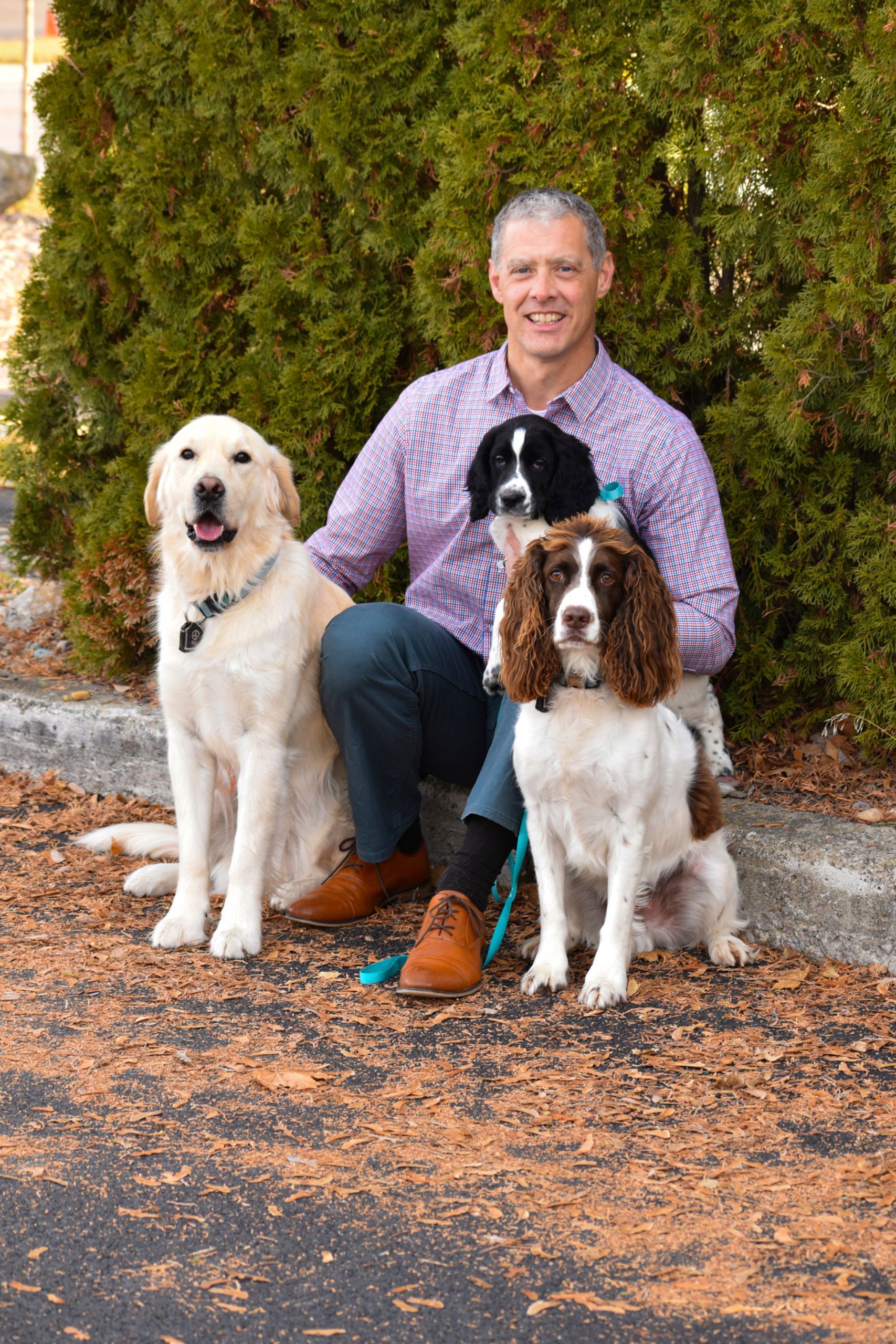
Dr. Clark
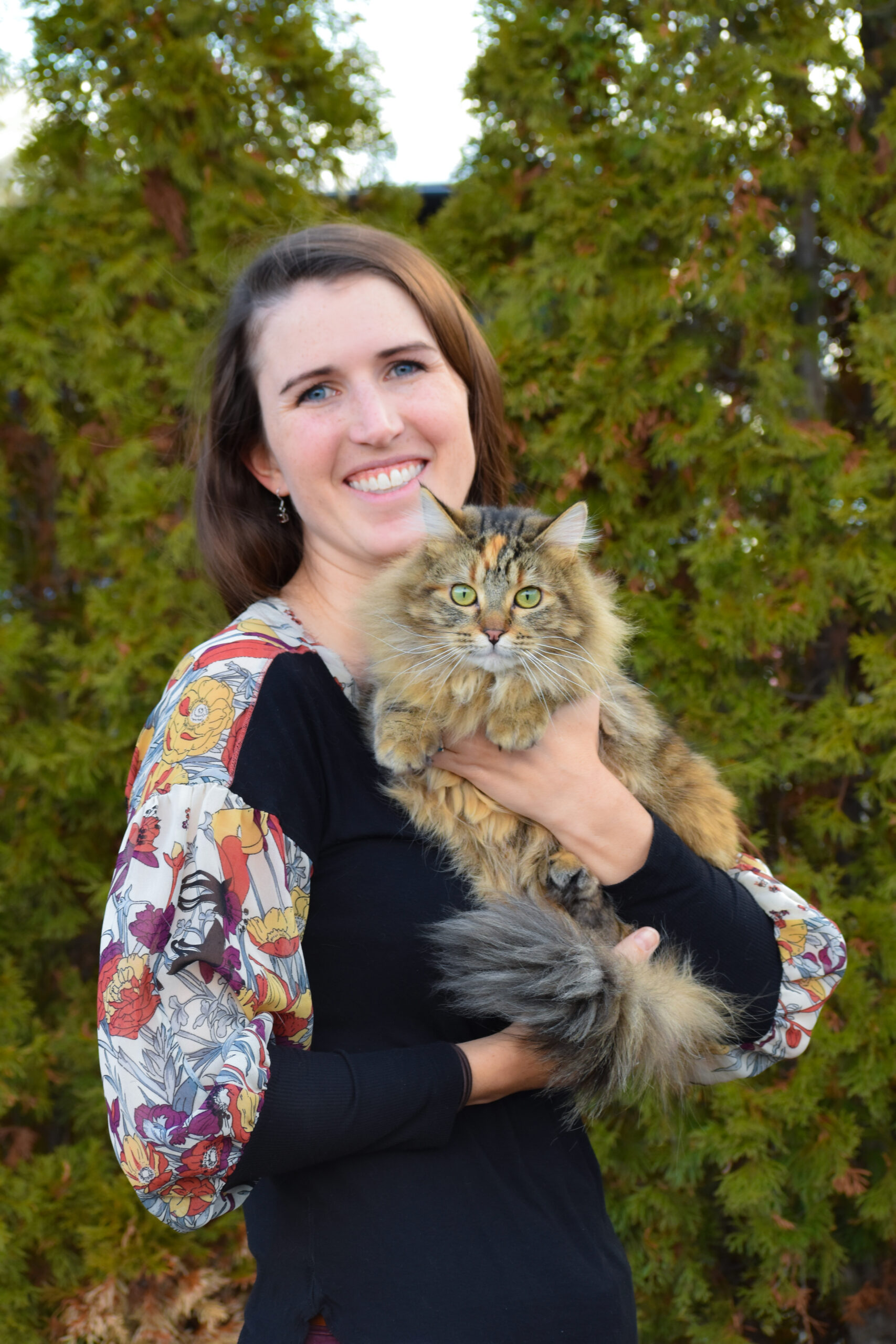

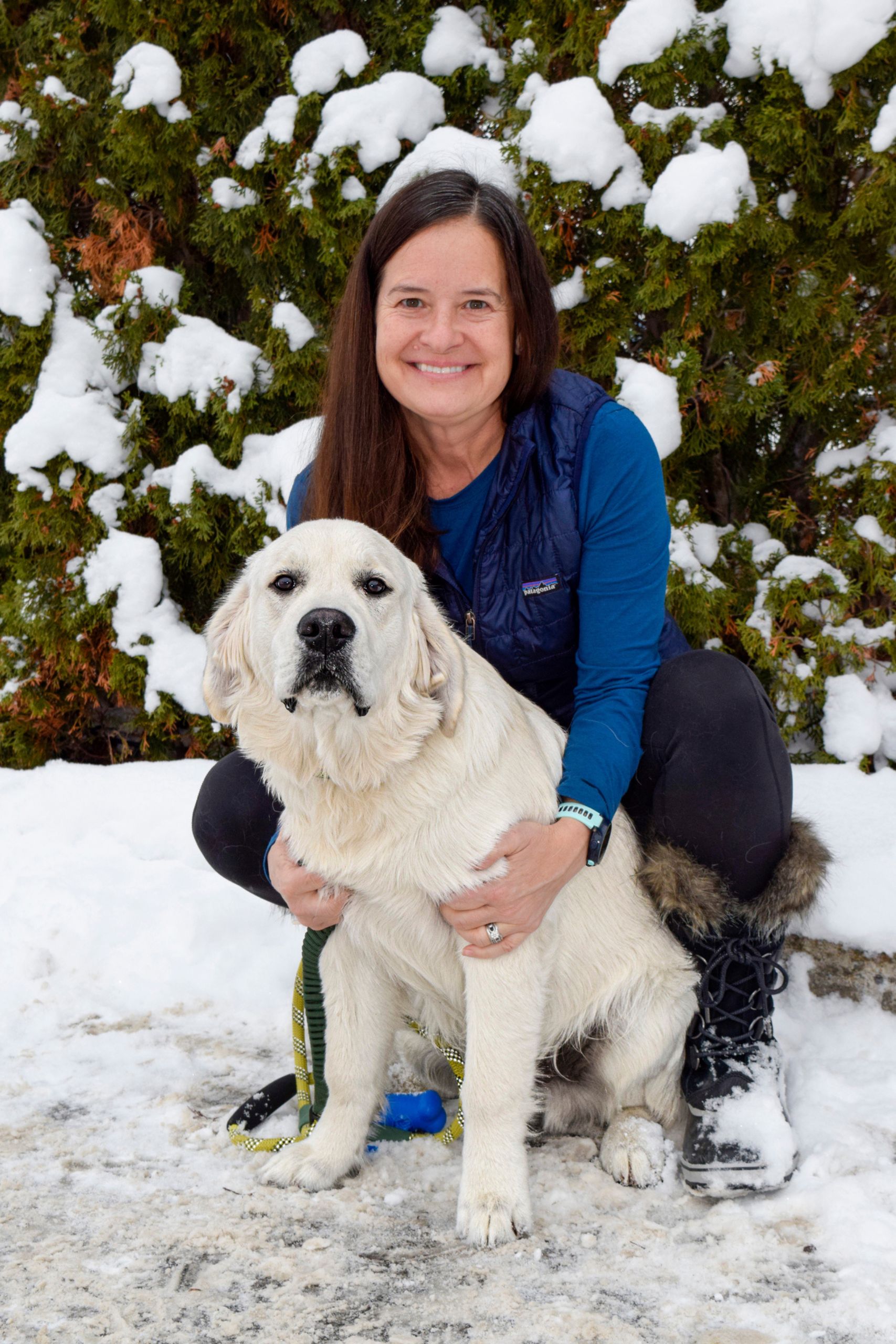
Dr. Ahles